
Stumps
Any ruler
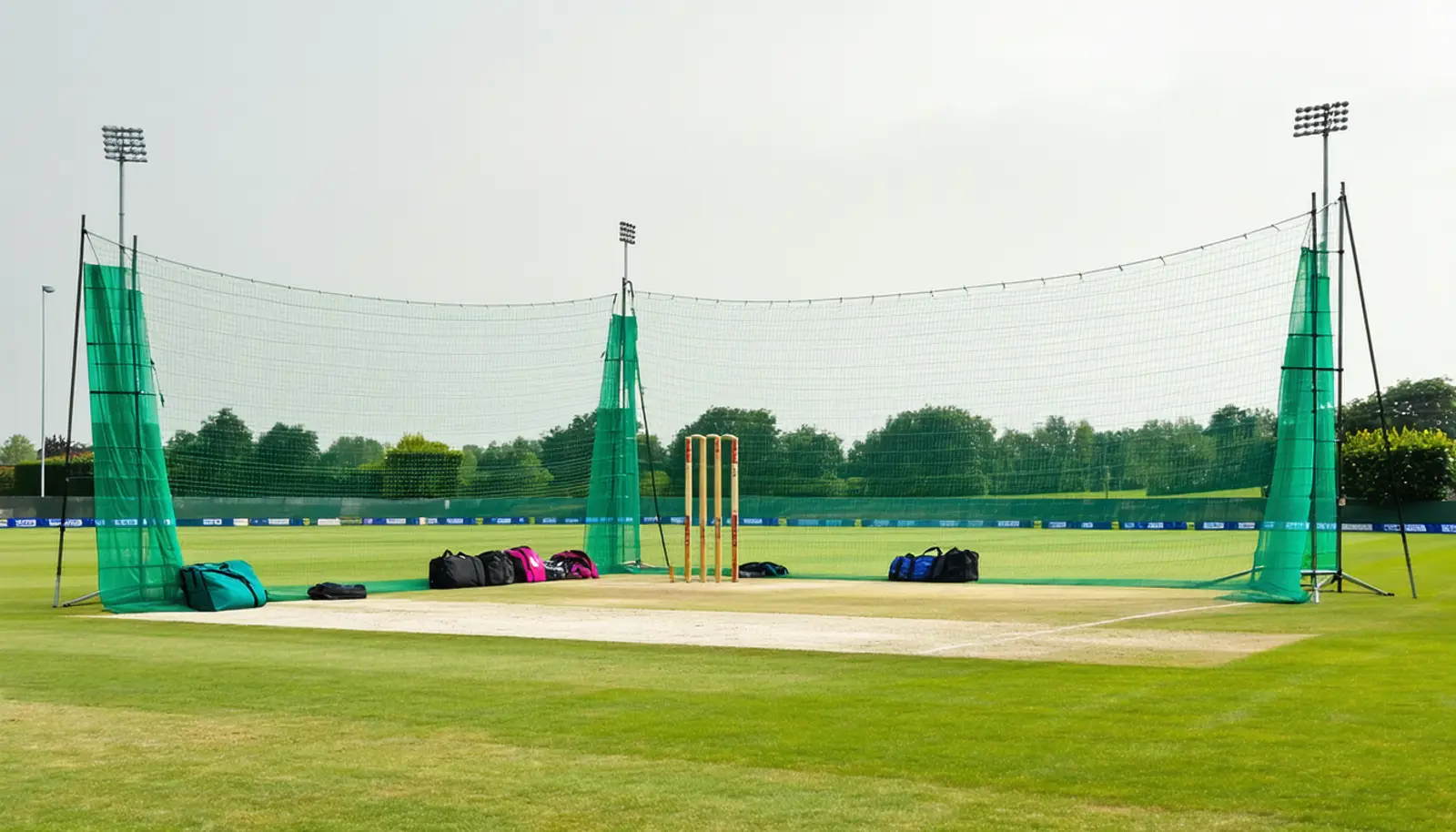
Stumps, two markers, or the ball itself.
Mark a known distance in the frame however you can set it up.
Cricket speed gun · on your phone
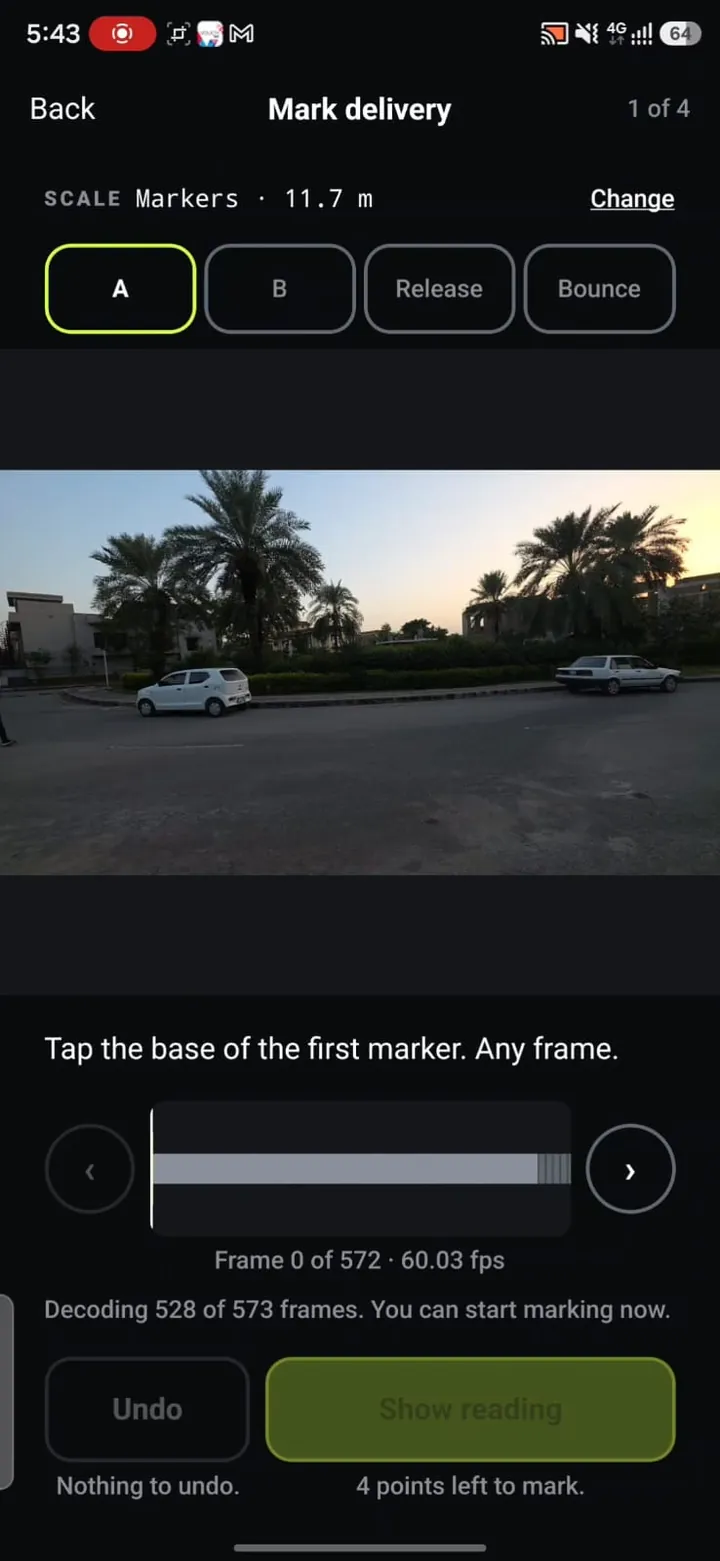
Film a delivery on your Android phone, mark four points, and get the average speed with an honest ± range, worked out for that one reading.
Android 9+ · Free to start · No account · Open source
Founding testers: 90 days of Pro free at launch
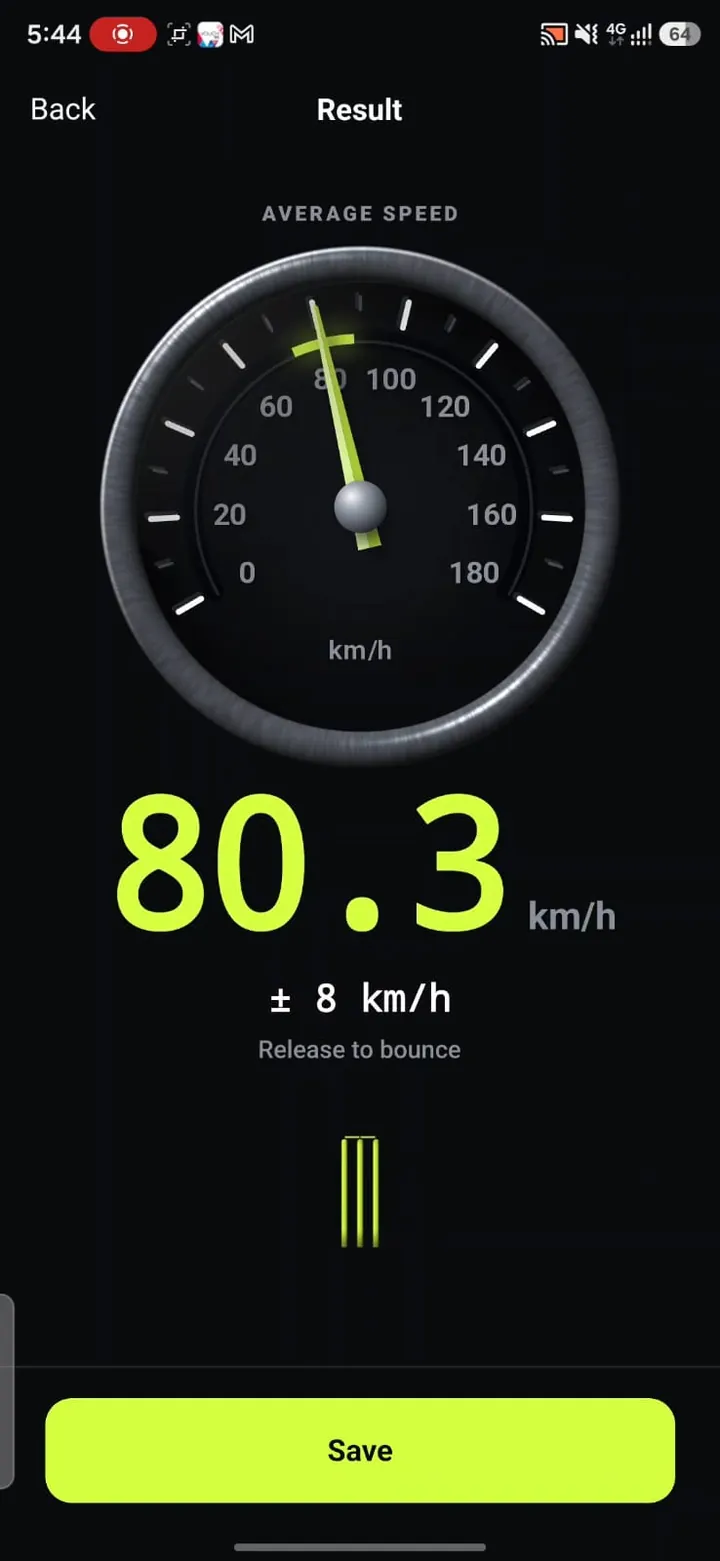
Average speed
80.3km/h
± 8Release to bounce
Every net session
NETS - THURSDAY
3 members
That one was my quickest all season.
No chance. Mine was quicker.
Prove it then.
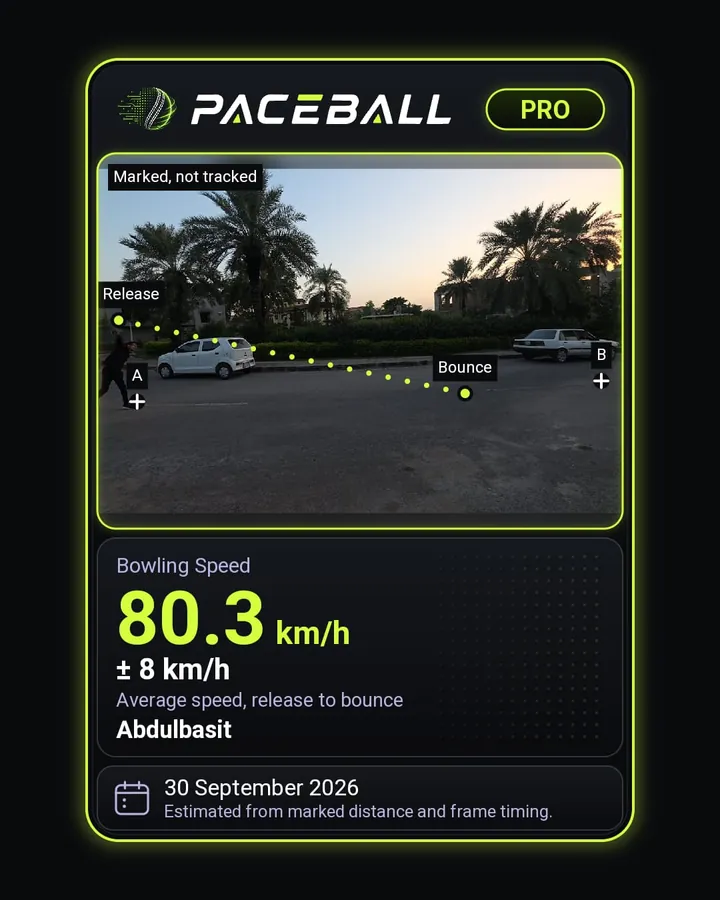
80.3 km/h ± 8 · Release to bounce · Marked, not tracked.
...ok. Settled.
Every reading is shareable. Every argument is over.
THE SCOREBOARD
How it works
You mark the points. Paceball does the maths. Marked, not tracked.
Fit both stumps, release and bounce
01 · RECORD
Film the delivery.
Film side-on, phone still, with the ruler and the whole flight in frame.
Accuracy
The ball is released about 2 m past the crease and pitches well short of the far stumps, so it travels roughly 11 m, not the full 20.12 m pitch. Paceball measures the real distance with a ruler in the frame and reads the frame rate from every file.
Ruler in the frame
Average speed · release to bounce · Example
80.3km/h± 8
24 frames ÷ 60.03 fps = 0.3998 s · 8.92 m
Speed = distance ÷ (frames ÷ 60.03) × 3.6. The ± range is for this one reading only.
Compare
Two bowlers, one shared scale. Each reading is the average speed from release to bounce, shown with its own ± range for that one delivery.
Average speed, release to bounce · km/h
Too close to call.
If the ranges overlap, Paceball says so. That's Compare, in Pro.
Features
Any ruler
Mark a known distance in the frame however you can set it up.
60.03
FPS · read from the file
FPS from the file
Paceball reads the frame rate from the video file, every time.
Frame by frame
Zoom in on the release and the bounce, then place each point exactly where it belongs.
Share your pace
Free cards carry a Paceball band. Pro cards are clean. Each shows speed, ± range and how it was measured.
History and stats
Every past delivery keeps its own ± range.
Stays on your phone
Your videos and readings stay with you.
The ball is a ruler
Use the ball itself when there are no stumps or markers in the frame.
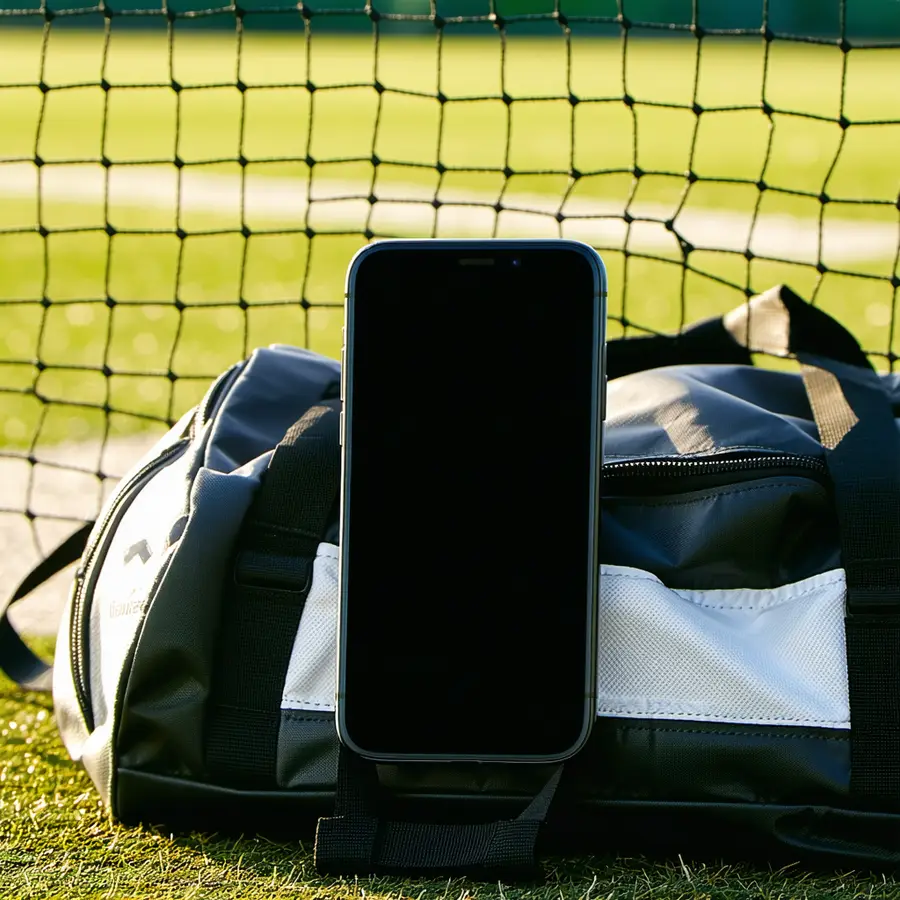
At the nets
Phone still, ruler and the whole flight in frame. That is all the setup.
Tap a tile to read more
Privacy
No account and no server of our own; the measurement runs on the phone.
FREE VS PRO
Free to start
Pro subscription
Monthly or annual. Prices shown in Google Play, in your own currency. Cancel any time.
What's next
01
02
03
04
05
Planned, not promised. Testers shape the order.
Join the beta
Opens the Google Play testing page for Paceball.
Become a tester and installAndroid 9 or newer.
Use the same Google account as your Play Store. Play only lets in the account that joined the group.
After joining the group, give it a few minutes before step 2 works.
Founding tester offer
90 days of Pro. Free.
Join the beta now. When Paceball launches on Google Play, every founding tester gets a code for 90 days of Pro, sent through the tester group.
Code arrives at launch. Limited to the first 2,000 testers.
No pitch? Try it in 2 minutes: put two shoes 3 m apart, roll a ball past them and choose Two markers.
FAQ
As accurate as the range says. Well-framed stumps give a tight range; a paced-out distance gives a wider one.
No. Radar reads the ball as it leaves the hand. Paceball gives the average from release to bounce, which is lower. Release speed is typically 5 to 8% higher.
Android 9 or newer. No iPhone yet.
Because a single number would claim more than a phone video can know.
Paceball never uploads your videos or measurements.
Join the tester group, then become a tester on Google Play with the same Google account.
A code for 90 days of Pro, sent through the tester group at launch. Limited to the first 2,000 testers.
The team
Founder and lead developer
Developer and partner
Average speed
80.3km/h
± 8Release to bounce · example